
It’s the question on every new homeowner’s mind: “How much will it cost to build?”
The answer isn’t one-size-fits-all. The total cost of building a home in 2025 depends on your block, design, inclusions, and current market conditions.
Here’s what you need to know heading into 2026.
1. Base Price vs Inclusions
When comparing builder quotes, it’s important to understand what the “base price” actually includes.
The base price generally covers the core structure of your home — slab, frame, roof and standard finishes. However, inclusion levels can vary significantly between builders, which can have a big impact on your final cost.
Common upgrades to consider include:
- Premium flooring (timber, tiles or hybrid)
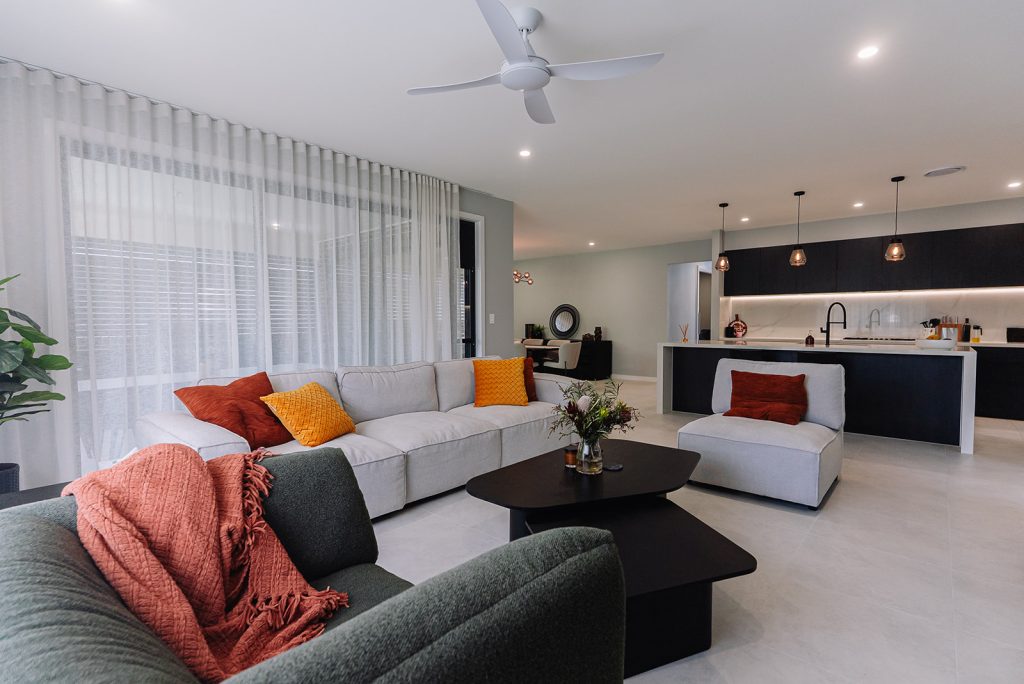
- Stone benchtops and feature cabinetry
- Upgraded appliances or tapware
- Designer lighting or electrical upgrades
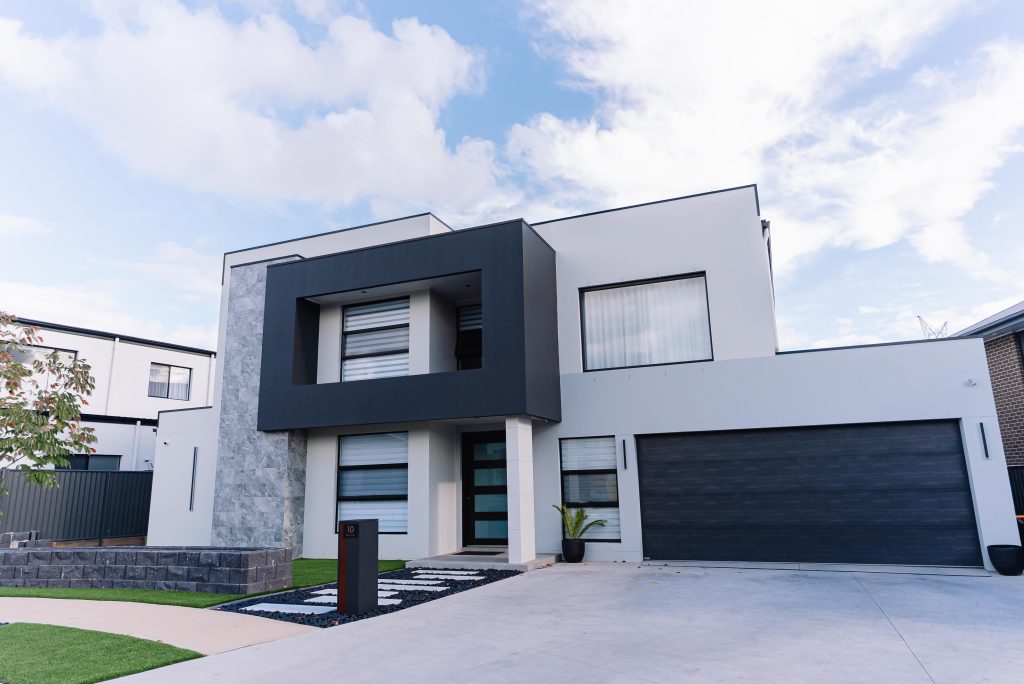
- Facade and exterior finishes such as render or feature cladding
Across NSW, based on recent construction data, a 3-bedroom brick veneer home with a medium level of finish typically costs around $2,400–$3,000 per m² in 2026. Higher-end or fully customised homes can range from $3,800–$5,000+ per m², depending on specification and complexity.Crystele Tip: Always compare inclusion lists, not just the headline price. A lower base price can quickly increase once essential upgrades are added.
2. Site Costs
Your land can influence your build cost just as much as your design. Every site is different, which means site costs can vary widely.
What to allow for:
- Soil testing and classification: Determines foundation requirements
(approx. $1,500–$3,000) - Excavation and retaining walls: Particularly on sloping blocks
(can range from $10,000–$50,000+ depending on conditions) - Site preparation: Tree removal, demolition or vegetation clearing
- Service connections: Water, sewer, electricity, gas and NBN
(typically $5,000–$20,000 depending on access) - Difficult access: Narrow blocks or tight streets may require specialised equipment
At Crystele Homes, we assess your block early and provide a comprehensive site cost estimate upfront, helping to minimise unexpected costs later in the process.
3. Design Choices
Your home design plays a major role in determining overall cost.
Size & Layout
In general, larger homes cost more overall, although the cost per square metre often decreases as size increases.
- Single-storey homes: Typically range from $2,200–$3,200 per m², depending on inclusions
- Double-storey homes: Usually add around 15–25% due to additional structure, services and staircases
Customisation & Detail
Design features that can influence cost include:
- Architectural elements such as voids, high ceilings or complex rooflines
- Premium materials like stone, timber or large-format tiles
- Additional living zones, bathrooms or butler’s pantries
Crystele Homes offers a wide range of single and double-storey designs with flexible floorplans. For sloping or irregular blocks, our team can adapt an existing design or create a fully custom home to suit your land, lifestyle and budget.
4. Market Conditions in 2026
After several years of volatility, the Australian building industry continues to show signs of stabilisation heading into 2026 — though costs remain higher than pre-2020 levels.
Key factors influencing prices:
- Materials: Timber, steel and roofing products have stabilised, though pricing remains elevated
- Labour: Trade shortages persist, particularly across metro NSW
- Regulatory requirements: Energy efficiency standards (including 7-star NatHERS and solar readiness) add upfront cost but support long-term savings
- Supply chains: Improved overall, though specialty finishes may still have longer lead times
In NSW, the average cost to build a detached home in 2026 typically falls within:
- $2,200–$3,200 per m² for mid-range project homes
- $3,500–$5,000+ per m² for high-end or architectural builds
At Crystele Homes, we remain focused on delivering value without compromise, combining efficient construction methods, trusted suppliers and transparent pricing.
5. Budgeting Smart in 2026
Building a home is a significant investment, but careful planning helps you stay in control.
1. Plan with realistic expectations
Allow a 10–15% contingency for unforeseen costs such as rock excavation, design changes or material upgrades.
2. Know what you’re paying for
Request an itemised quote that clearly outlines inclusions, site works and provisional sums — making it easier to compare options accurately.
3. Avoid hidden surprises
Clarify early:
- Are council and approval fees included?
- What’s covered in your driveway or landscaping?
- Are upgrades priced individually or bundled?
Transparency is at the heart of everything we do. We take the time to explain every detail, helping you make confident, informed decisions from start to finish.